
Key Aspects of Bauxite Trading in the Maritime Industry A Comprehensive Guide

Bauxite is the primary ore used in producing aluminum, a metal essential to many industries worldwide. The global demand for aluminum keeps bauxite trading a vital part of international commerce. Maritime transport plays a crucial role in moving bauxite from mining regions to processing plants and manufacturers. Understanding the key aspects of bauxite trading within the maritime industry helps stakeholders navigate this complex market efficiently.
The Importance of Bauxite in Global Trade
Bauxite is the world’s main source of aluminum, which is used in transportation, packaging, construction, and electronics. Countries rich in bauxite deposits, such as Australia, Guinea, and Brazil, export large quantities to meet global demand. The maritime industry handles the majority of bauxite shipments because of the ore’s bulk and weight.
Shipping bauxite efficiently reduces costs and ensures steady supply chains. Delays or damage during transport can disrupt aluminum production, affecting industries downstream. This makes understanding the logistics and trading conditions critical for companies involved in bauxite trade.
Key Players in Bauxite Trading
Several types of entities participate in bauxite trading under the maritime industry:
Mining companies: Extract and prepare bauxite for export.
Exporters and traders: Arrange sales and contracts for bauxite shipments.
Shipping companies: Provide vessels specialized in bulk cargo transport.
Importers and aluminum producers: Receive bauxite for refining and manufacturing.
Each player must coordinate closely to manage schedules, quality standards, and regulatory compliance. For example, Guinea’s mining sector relies heavily on maritime transport to export bauxite to China and Europe, making shipping routes and port infrastructure vital.
Maritime Transport of Bauxite: Vessels and Handling
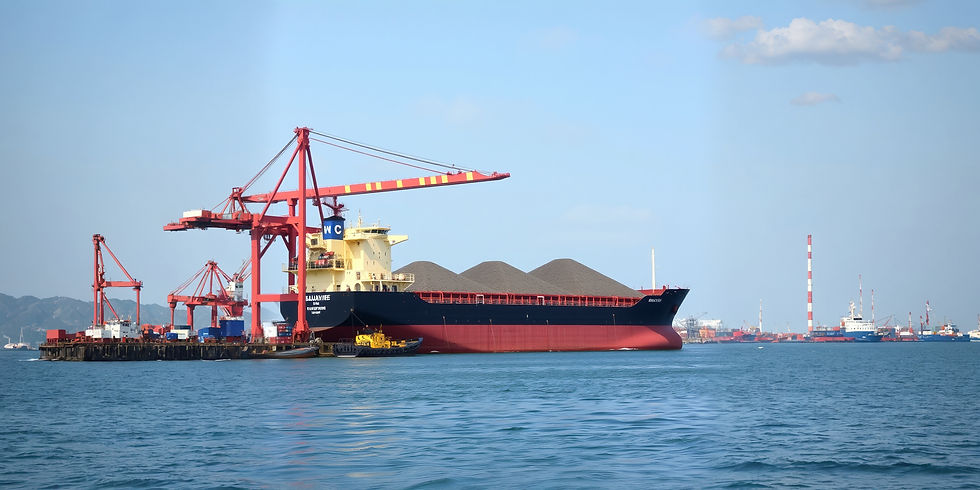
Bauxite is typically shipped in bulk carriers designed to carry large volumes of loose cargo. These vessels vary in size:
Handysize bulk carriers: Carry up to 40,000 deadweight tons (DWT), suitable for smaller ports.
Panamax bulk carriers: Around 60,000 to 80,000 DWT, common for major trade routes.
Capesize bulk carriers: Over 150,000 DWT, used for large shipments between major ports.
Loading and unloading bauxite requires specialized equipment to prevent contamination and loss. Ports handling bauxite often have conveyor belts, grabs, and storage facilities designed for bulk ores. Proper moisture control is essential to avoid cargo degradation or safety hazards during transport.
Quality Control and Standards in Bauxite Trading
Bauxite quality varies depending on its source and composition. Key quality parameters include:
Alumina content: Higher alumina means better quality ore.
Silica content: Lower silica is preferred as it reduces processing costs.
Moisture level: Excess moisture can cause shipping issues.
Buyers and sellers agree on quality standards before shipment. Sampling and laboratory testing ensure the cargo meets contract specifications. Maritime transport must maintain these standards by protecting the cargo from contamination and moisture changes.
Regulatory and Environmental Considerations
Bauxite trading under the maritime industry must comply with international regulations:
International Maritime Organization (IMO) rules on bulk cargo safety.
Environmental regulations to prevent pollution during loading, transport, and unloading.
Customs and trade laws governing export and import documentation.
Sustainability is gaining importance. Some companies monitor the environmental impact of bauxite mining and shipping, aiming to reduce carbon emissions and protect marine ecosystems. Ports and shipping lines may adopt greener technologies to support sustainable trade.
Challenges in Bauxite Maritime Trading
Several challenges affect bauxite trading by sea:
Port congestion: Delays in loading or unloading can increase costs.
Weather conditions: Storms and rough seas risk cargo damage.
Price volatility: Fluctuations in aluminum prices impact trade volumes.
Infrastructure limitations: Some bauxite-producing countries lack modern ports or transport links.
Addressing these challenges requires investment in port facilities, improved logistics coordination, and risk management strategies.
Case Study: Guinea’s Bauxite Exports and Maritime Logistics
Guinea holds about 25% of the world’s bauxite reserves and is a leading exporter. Its bauxite reaches global markets mainly through maritime routes. The country’s ports, such as Kamsar and Conakry, handle millions of tons annually.
Shipping companies use Capesize bulk carriers to transport large shipments to China and Europe. Guinea’s government and private sector have invested in port upgrades and rail links to improve export capacity. This example shows how maritime infrastructure directly influences bauxite trade efficiency.
Future Trends in Bauxite Maritime Trading
The bauxite trade is evolving with new trends:
Digitalization: Use of blockchain and IoT for tracking shipments and verifying quality.
Sustainability focus: More companies seek low-emission shipping options.
Diversification of supply chains: New mining projects in Africa and Asia expand trade routes.
Automation at ports: Faster loading/unloading reduces turnaround times.
These trends will shape how maritime companies and traders operate in the coming years.


