
Navigating Geopolitical Risks That Disrupt Global Shipping Routes

Global shipping routes form the backbone of international trade, moving over 80% of the world’s goods by volume. These routes connect producers and consumers across continents, enabling economies to thrive. Yet, geopolitical risks increasingly threaten the smooth flow of maritime trade. Conflicts, territorial disputes, sanctions, and political instability can disrupt shipping lanes, delay deliveries, and raise costs. For the shipping industry, understanding and managing these risks is essential to maintaining resilience and competitiveness.
This article explores the key geopolitical risks affecting global shipping routes today, their impact on maritime logistics, and practical strategies for navigating these challenges.

Cargo ships passing through strategic maritime chokepoints face heightened geopolitical risks.
Strategic Maritime Chokepoints and Their Vulnerabilities
Certain narrow waterways serve as critical chokepoints for global shipping. These include the Strait of Hormuz, the Suez Canal, the Panama Canal, and the Malacca Strait. Together, they handle a significant portion of global maritime traffic and energy shipments.
Strait of Hormuz: About 20% of the world’s oil passes through this narrow passage between the Persian Gulf and the Gulf of Oman. Political tensions between Iran and Western countries have led to threats of closure or attacks on tankers, causing price spikes and shipping reroutes.
Suez Canal: Connecting the Mediterranean Sea to the Red Sea, the canal shortens the journey between Europe and Asia by thousands of miles. The 2021 blockage of the Ever Given container ship highlighted how a single incident in this chokepoint can disrupt global supply chains.
Malacca Strait: This narrow passage between Malaysia and Indonesia is a vital route for Asian trade. Piracy and territorial disputes in the region pose ongoing risks to shipping safety.
Panama Canal: Essential for trade between the Atlantic and Pacific Oceans, the canal faces challenges from political instability in the region and infrastructure capacity limits.
These chokepoints are vulnerable to geopolitical tensions, military conflicts, and sabotage. Shipping companies must monitor developments closely and prepare alternative routes or contingency plans.
Impact of Regional Conflicts on Shipping Routes
Regional conflicts can quickly escalate into disruptions for maritime trade. For example:
The Russia-Ukraine conflict has affected shipping in the Black Sea, a key route for grain exports. Naval blockades and mine threats have forced vessels to avoid the area, increasing transit times and costs.
The South China Sea dispute involves overlapping territorial claims by China, Vietnam, the Philippines, and others. This region is a major shipping corridor for East Asia. Military posturing and restrictions on navigation rights create uncertainty for commercial vessels.
Tensions in the Middle East, including conflicts in Yemen and Syria, have increased risks for ships passing nearby. Attacks on oil tankers and ports have raised insurance premiums and forced rerouting.
These conflicts can cause delays, increase fuel consumption, and raise the risk of damage or loss. Shipping companies need to assess risk levels and adjust operations accordingly.
Economic Sanctions and Trade Restrictions
Sanctions imposed by governments on countries or entities can disrupt shipping flows by restricting access to ports, banning certain cargoes, or limiting insurance coverage.
Sanctions on Iran have complicated oil exports through the Strait of Hormuz, forcing tankers to use alternative routes or flags.
Restrictions on North Korea limit maritime trade in the region, affecting shipping schedules and cargo handling.
Sanctions on Russia have led to rerouting of goods and increased scrutiny of vessels, especially in European waters.
Shipping operators must stay informed about sanction regimes and compliance requirements to avoid penalties and operational disruptions.
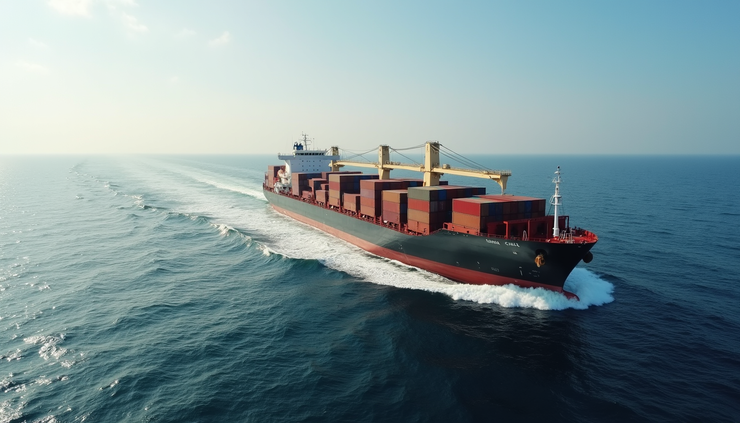
Rerouting ships around conflict zones increases transit times and operational costs.
Navigating Geopolitical Risks: Practical Strategies
Shipping companies can adopt several strategies to manage geopolitical risks effectively:
Route Diversification
Avoid relying solely on one chokepoint or corridor. Develop alternative routes even if they are longer or more expensive. For example, some vessels now use the longer Cape of Good Hope route instead of the Suez Canal during periods of instability.
Real-Time Intelligence and Monitoring
Use satellite tracking, maritime security reports, and geopolitical analysis to stay updated on emerging threats. Early warnings allow for timely route adjustments.
Enhanced Security Measures
Increase onboard security, especially in piracy-prone areas. Collaborate with naval forces and international coalitions for convoy protection when possible.
Insurance and Risk Assessment
Review insurance policies to cover risks related to conflict zones and sanctions. Conduct thorough risk assessments before entering high-risk areas.
Collaboration with Stakeholders
Work closely with port authorities, governments, and industry groups to share information and coordinate responses to disruptions.
Case Study: The Ever Given Incident and Its Lessons
In March 2021, the Ever Given container ship blocked the Suez Canal for six days, halting traffic in one of the world’s busiest shipping lanes. The incident caused delays for hundreds of vessels, disrupted supply chains, and highlighted the vulnerability of chokepoints.
Key takeaways include:
The importance of contingency planning for sudden disruptions.
The need for investment in infrastructure and technology to prevent accidents.
The value of communication and coordination among shipping companies, canal authorities, and insurers.
This event underscored how geopolitical risks and operational incidents can combine to create major challenges for global shipping.
Future Outlook: Emerging Risks and Opportunities
Geopolitical risks will continue to evolve with shifting alliances, climate change, and technological advances.
Arctic Shipping Routes
Melting ice is opening new northern passages that could reduce transit times between Asia and Europe. However, these routes come with geopolitical disputes over sovereignty and environmental concerns.
Cybersecurity Threats
Increasing digitalization of shipping operations exposes vessels and ports to cyberattacks, which can disrupt navigation and logistics.
Changing Trade Patterns
Trade tensions and regional agreements may shift shipping flows, requiring adaptation to new routes and regulations.
Shipping companies that invest in risk management, technology, and flexible operations will be better positioned to navigate these challenges.


