
Navigating Corporate Finance Challenges in the Shipping Industry

The shipping industry plays a vital role in global trade, moving over 80% of the world’s goods by volume. Despite its importance, companies in this sector face unique financial challenges that require careful navigation. From fluctuating fuel costs to regulatory pressures and capital-intensive investments, managing corporate finance in shipping demands strategic planning and adaptability. This post explores the key financial hurdles shipping companies encounter and offers practical insights to help them stay afloat in a competitive market.
Understanding the Financial Landscape of Shipping
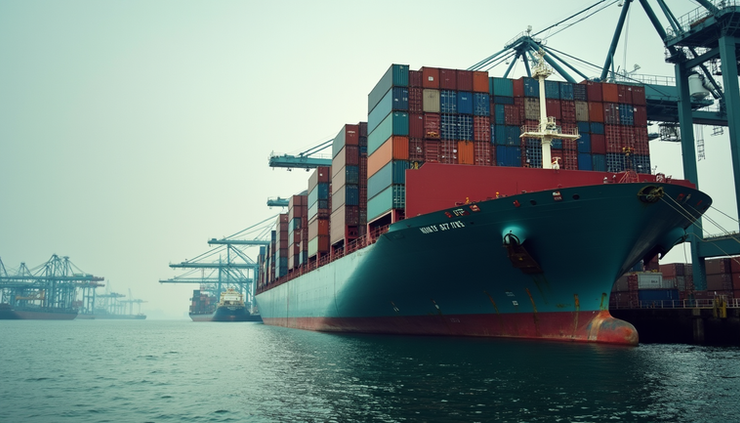
Shipping companies operate in a complex financial environment shaped by global economic trends, geopolitical events, and environmental regulations. The capital requirements for purchasing and maintaining vessels are substantial, often involving loans or leasing arrangements. Additionally, operating costs such as crew wages, maintenance, insurance, and fuel can fluctuate widely.
Capital Intensity and Financing Options
Ships are expensive assets, with modern container vessels costing hundreds of millions of dollars. Financing these assets typically involves a mix of debt and equity. Traditional bank loans remain common, but many companies also turn to bond markets or private equity investors. Leasing vessels offers an alternative that reduces upfront costs but may increase long-term expenses.
Shipping firms must carefully balance their capital structure to maintain liquidity while minimizing financing costs. For example, during downturns in global trade, companies with high debt levels may struggle to meet obligations, risking insolvency.
Managing Cash Flow Volatility
Cash flow in shipping is often unpredictable due to fluctuating freight rates and seasonal demand. For instance, a sudden drop in commodity prices or trade restrictions can reduce cargo volumes, impacting revenues. Companies need robust cash flow forecasting and contingency plans to handle these swings.
One approach is diversifying cargo types and routes to reduce dependence on a single market. Another is securing long-term contracts with customers to stabilize income streams. Maintaining a cash reserve or access to credit lines also provides a buffer during lean periods.
Navigating Regulatory and Environmental Costs
Environmental regulations are tightening globally, requiring shipping companies to invest in cleaner technologies and fuels. Compliance adds to operating expenses and capital expenditures, affecting profitability.
Impact of Emission Regulations
The International Maritime Organization (IMO) has set ambitious targets to reduce greenhouse gas emissions from ships. Meeting these targets often means retrofitting vessels with scrubbers, switching to low-sulfur fuels, or investing in new, more efficient ships. These upgrades can cost millions per vessel.
Companies must factor these costs into their financial planning and consider the return on investment. Some have turned to green bonds or sustainability-linked loans to fund environmental initiatives, which can offer favorable terms if performance targets are met.
Navigating Compliance Costs
Beyond emissions, shipping firms face regulations related to safety, labor standards, and customs procedures. Non-compliance can lead to fines, delays, and reputational damage. Investing in compliance systems and training is essential but adds to overhead.
Effective risk management includes staying informed about regulatory changes and engaging with industry groups to influence policy. Some companies also use technology such as blockchain to improve transparency and reduce compliance costs.
Strategies for Financial Resilience
Shipping companies that thrive financially often share common strategies to manage risks and seize opportunities.
Building Flexible Financing Structures
Flexibility in financing allows companies to adjust to market conditions. For example, using revolving credit facilities provides access to funds when needed without committing to long-term debt. Some firms stagger debt maturities to avoid large repayments at once.
Investing in Technology and Efficiency
Improving operational efficiency reduces costs and enhances competitiveness. Technologies like route optimization software, fuel monitoring systems, and automated maintenance scheduling can lower fuel consumption and downtime.
These investments require upfront capital but often pay off through savings and improved asset utilization. Financial planning should include cost-benefit analyses to prioritize projects with the best returns.
Diversifying Revenue Streams
Expanding into related services such as logistics, warehousing, or ship management can provide additional income sources. This diversification helps smooth revenue fluctuations tied to shipping volumes.
For example, a shipping company might offer end-to-end supply chain solutions, capturing more value and building stronger customer relationships.
Case Study: A Shipping Company’s Financial Turnaround
Consider a mid-sized shipping firm that faced heavy losses during a global trade slowdown. The company had high debt levels and aging vessels requiring costly upgrades. To recover, management took several steps:
Negotiated debt restructuring to extend maturities and reduce interest rates
Sold older ships and leased newer, more efficient vessels
Invested in fuel-saving technologies and crew training
Secured long-term contracts with key customers
Issued a green bond to finance environmental compliance upgrades
Within two years, the company improved cash flow, reduced costs, and positioned itself for growth as trade volumes recovered.


