
Global Maritime Market Outlook 2025–2035
- GMOS WORLD

- Dec 20, 2025
- 4 min read

The maritime industry continues to serve as the backbone of global commerce, enabling the efficient movement of goods, energy, and people across international waters. As trade volumes expand and supply chains evolve, the sector is entering a decade defined by modernization, digital transformation, and sustainability-driven change.
According to industry market estimates, the global maritime market was valued at USD 2,181.09 billion in 2024 and is projected to grow from USD 2,239.76 billion in 2025 to USD 2,920.68 billion by 2035, reflecting a compound annual growth rate (CAGR) of 2.69%. While growth is steady rather than explosive, its scale underscores the maritime sector’s enduring strategic importance to the global economy.
At GMOS, we see this period not simply as expansion, but as a structural shift in how maritime operations are managed, optimized, and future-proofed.
1. Market Structure
The maritime market spans a wide range of interconnected services and stakeholders, each playing a vital role in global trade continuity.
Cargo Shipping Services
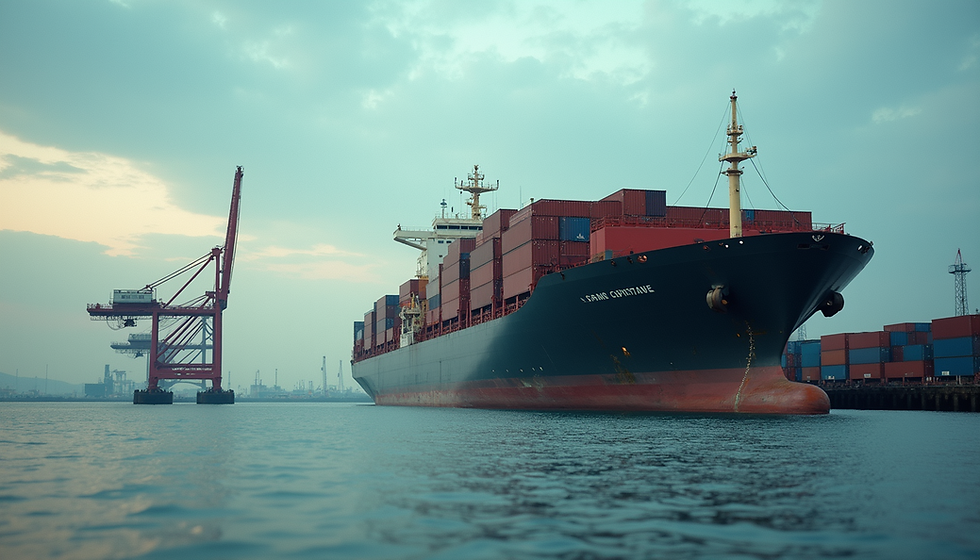
Cargo shipping remains the dominant force in the maritime ecosystem. Container vessels, bulk carriers, and tankers facilitate the movement of consumer goods, raw materials, and energy products across continents. Growth in e-commerce, industrial production, and cross-border trade continues to reinforce demand for reliable and efficient cargo transportation.
Passenger and Cruise Services
Passenger shipping, including cruise liners and regional ferries, represents a growing segment driven by rising tourism and disposable incomes. While more sensitive to economic cycles, this segment benefits from innovation in vessel design, onboard experience, and regional connectivity.
Port and Terminal Operations
Ports are no longer just transit points; they are integrated logistics hubs. Investments in automation, digital cargo handling, and smart port infrastructure are improving turnaround times, reducing congestion, and enhancing supply chain visibility.
Offshore and Marine Support Services
Offshore logistics supports energy exploration, renewable installations, and marine construction. As offshore wind and energy infrastructure projects scale up, demand for specialized vessels and support services continues to rise.
2. Vessel Segmentation: Demand Drivers by Ship Type
Different vessel categories respond to distinct economic and industrial drivers:
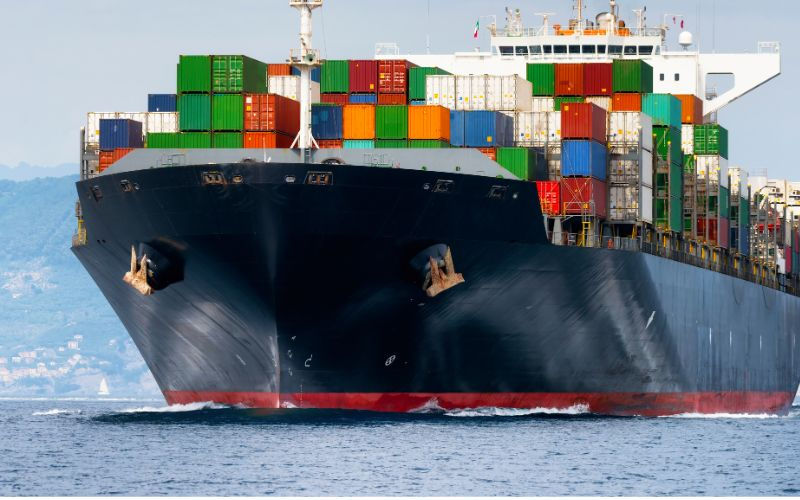
Container Ships underpin global trade efficiency and standardized logistics.
Tankers support the transport of crude oil, chemicals, and LNG, closely linked to global energy demand.
Bulk Carriers enable the movement of coal, iron ore, grains, and minerals essential for infrastructure and manufacturing.
Cruise and Passenger Vessels drive tourism and regional mobility.
Specialized Vessels serve offshore construction, research, and niche industrial applications.
From a GMOS perspective, vessel performance, compliance, and lifecycle management are becoming as critical as capacity and scale.
3. Key Growth Drivers Shaping the Market
1. Expansion of Global Trade
Maritime transport accounts for more than 80% of global goods movement by volume. As emerging economies expand manufacturing and consumption, maritime trade remains the most cost-effective and scalable mode of transport.
2. Rising Energy and Commodity Demand
Despite the global energy transition, oil, gas, LNG, and bulk commodities continue to dominate seaborne trade. Maritime logistics remains essential to energy security and industrial supply chains.
3. Port Modernization and Infrastructure Investment
Smart ports, automated terminals, and integrated logistics corridors are transforming operational efficiency. These investments directly influence vessel turnaround times, operating costs, and network reliability.
4. Technological Advancement
Digital fleet management, predictive maintenance, automation, and real-time tracking are redefining how ships and ports operate. Technology adoption is no longer optional—it is a competitive necessity.
Industry Trends Defining the Next Decade
Several structural trends are shaping the future maritime landscape:
Sustainability and Green ShippingAdoption of LNG, low-emission fuels, and energy-efficient vessel designs is accelerating as environmental regulations tighten.
Digital TransformationAI, IoT, and data-driven decision-making are improving safety, fuel efficiency, and operational transparency.
Smart Port DevelopmentAutomation and robotics are reducing congestion and enhancing cargo handling efficiency.
Deployment of Larger VesselsUltra-large container ships and bulk carriers are being used to achieve economies of scale, placing new demands on ports and fleet management.
Evolving Trade AlliancesRegional trade agreements and shifting supply chains are influencing shipping routes and infrastructure priorities.
5. Regional Outlook
Asia-Pacific
Asia-Pacific remains the largest and fastest-growing maritime market, supported by high trade volumes, industrial expansion, and aggressive port modernization across China, India, Japan, and Southeast Asia.
North America and Europe
These mature markets focus on technological innovation, regulatory compliance, and sustainability-led shipping and port operations.
Middle East, Africa, and Latin America
Strategically located along major trade routes, these regions are emerging as critical maritime hubs through infrastructure investment and expanding trade corridors.
6. What This Means for Maritime Stakeholders
The maritime market’s projected growth reflects stability, but not complacency. Success over the next decade will depend on:
Operational efficiency
Regulatory compliance
Digital readiness
Sustainable fleet and port strategies
At GMOS, we believe that the future of maritime operations lies in integrated ship management, intelligent chartering strategies, and data-driven decision-making. As the industry navigates regulatory pressure, technological disruption, and evolving trade patterns, operators who invest early in efficiency and compliance will be best positioned to lead.
Looking Ahead
By 2035, the maritime market is expected to approach USD 2.92 trillion, reinforcing its role as a pillar of global economic growth. While the fundamentals of shipping remain unchanged, the way vessels are operated, managed, and optimized is undergoing a profound transformation.
For shipowners, charterers, and maritime stakeholders, the next decade is not just about growth; it is about resilience, adaptability, and strategic execution.
GMOS continues to support this transition by aligning operational excellence with market intelligence, ensuring vessels remain efficient, compliant, and commercially competitive in a rapidly evolving global maritime landscape.


